
Home » How to Stay Safe and Avoid Injuries During Cold Winter
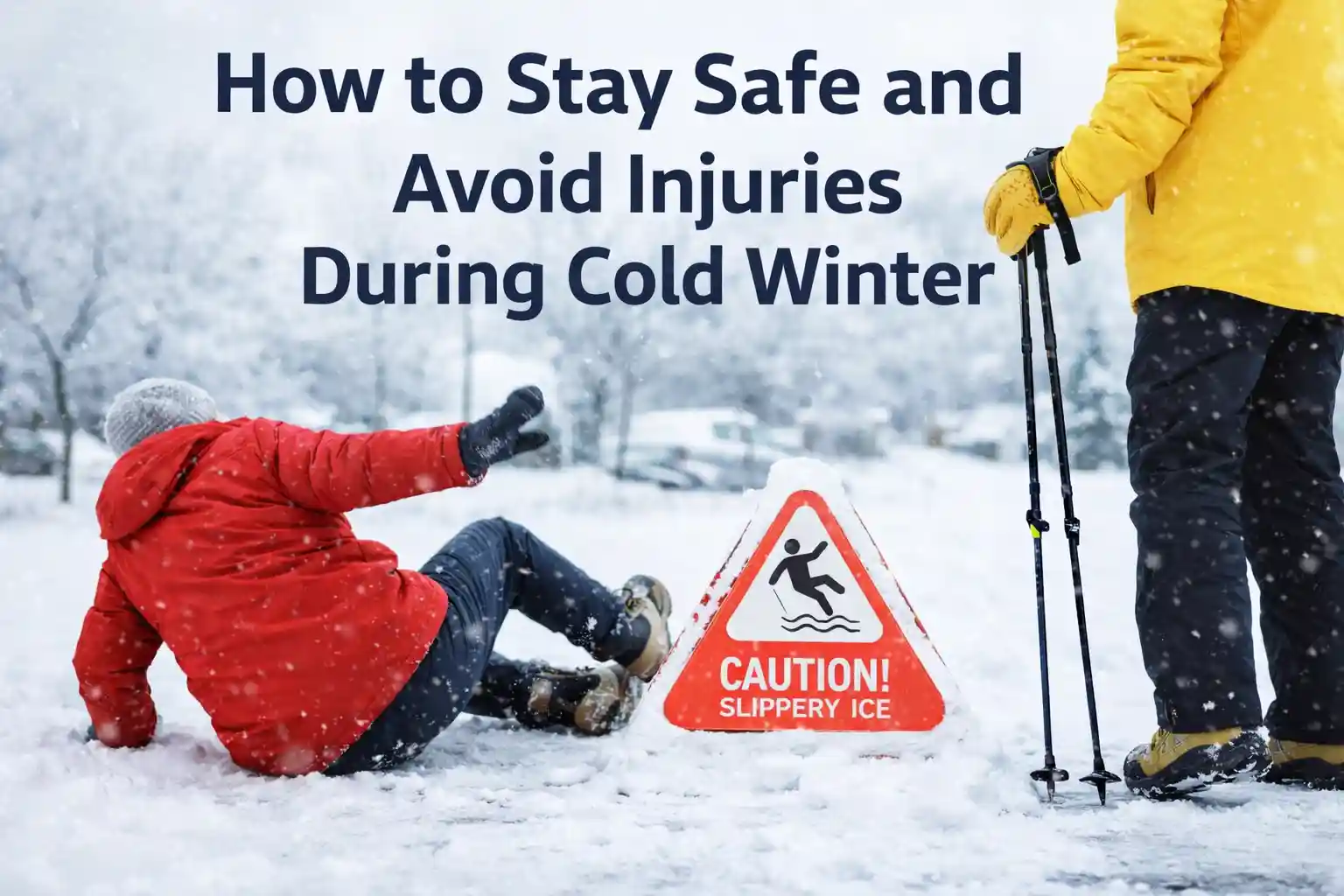
The cold winter season greatly increases the chance of injury because of slippery surfaces, decreased mobility, and muscle stiffness due to the cold. Each year, many preventable injuries occur during the winter season as a result of not being prepared for the hazards associated with this time of year. By focusing on awareness, preparedness, and safe daily habits, we can help reduce winter-related injuries.
At our practice, we see many patients each year with injuries from the winter months, everything from small strains to serious injuries from a fall. The majority of these injuries could be prevented by implementing the proper winter injury prevention strategies. It is vital to understand how cold temperatures impact, or affect, a person’s body in order to successfully remain safe and continue to engage in healthy, active lifestyles throughout the cold winter months.
The risk factors of cold weather and winter injuries need to be understood in order to effectively prevent them. Cold temperatures cause muscles and joints to become tight; therefore, the body’s ability to be flexible and react quickly becomes impaired. Because of this, there are greater chances of sustaining slip-and-fall, sprain, and muscle injuries, particularly when there are unexpected movements.
Through our clinical work experience, we have seen that the majority of injuries in winter occur as a result of icy surfaces, inappropriate footwear, and decreased levels of physical activity. Several strategies exist for the prevention of winter-related injuries. These strategies aim to reduce the risk of winter injury by developing mobility, balance, and safe environments prior to sustaining an injury.
Wearing the appropriate clothing is an important aspect of preventing winter injuries. Wearing the appropriate layer of clothing helps keep the body warm while allowing for a full range of motion of the muscles, reducing stiffness and muscle strain.
Our clinic has treated many winter injury cases caused by inappropriate footwear so the selection of both clothing and shoes plays an important role in winter injury prevention.
A decline in activity levels during the colder months can lead to decreased flexibility and strength, resulting in a greater likelihood of being injured. One of the best ways to prevent injuries during this time of year is to continue to engage in regular physical activity, which will help maintain healthy joints and balance.
Many times, people will see physical therapists for treatment of strained muscles after they have been inactive for an extended period of time. Some of the most effective ways to prevent injuries are to perform gentle stretching, light strengthening exercises, and warm up prior to exercising.
During the winter months, slips and falls are very common. Changing how we walk is a simple way to reduce the chances of falling during the colder months. By moving at a slower pace, taking smaller steps, and being aware of the surface below your feet, you will greatly decrease your risk of falling while walking on an icy surface. From our experience treating patients in our clinic, being aware of your surroundings and controlling your movements while walking are critical components to preventing injuries caused by falling during winter weather.
Winter injury prevention does not stop outdoors. Many injuries occur inside the home due to wet floors, icy entrances, or poor lighting.
Preventing winter injuries also pertains to safe vehicle operation. Winters create conditions that increase motor vehicle accident rates due to increased incidence of ice, fog, and decreased visibility. After treating winter vehicular accident patients, we have found the most common accident presentation is sudden hard braking and/or steering loss. Following these recommendations for the prevention of winter injuries will include driving at low speed, allowing for safe following distances, and preparing vehicles for winter conditions.
Winter injury prevention relies on good nutrition and hydration as a way of supporting the muscles, keeping the joints healthy (bones), aiding in concentration, or helping you focus on what you’re doing.
We tell our patients that good nutrition supports faster recovery and reduces the chances of winter injury; hence, your nutrition habits can contribute to both your timing of recovery from injury and your chances of being injured again in wintertime.
Many older adults and those suffering from existing medical conditions have increased risk during the winter months, therefore winter injury preventive measures must focus on providing stability, safe movements, and modifying (making safe) their environment. Based on our own clinical knowledge, it has been shown consistently that providing early preventive treatment can significantly decrease the chance of experiencing serious falls or mobility problems during the winter.
Recognizing when professional assistance is necessary is crucial to preventing winter injuries. Failure to address long-standing symptoms appropriately could result in further injury or complications.
Evaluating early and establishing a customized treatment plan will assist the patient in recovering from their winter-related difficulties.
To prevent winter injuries, one must prepare, be consistent, and know what to watch for regarding winter injuries and the way to prevent winter injuries. Being proactive about dressing appropriately, being physically active, enhancing safety in the home, and eating properly can greatly reduce the occurrence of winter-related injuries.
Through our clinical experience, most of the injuries sustained during the winter can be avoided if action is taken early enough. By making a commitment to prevent winter injuries, you will improve your chances of remaining healthy, continuing to maintain your ability to get around during the winter months, and keeping you feeling confident throughout the winter season.